Archive for the ‘A few words on the road’ Category
Rainbow Valley
Night was cold. Really cold. If it was okay for Hripsimé and I in the swag, Sara had quite a bad sleep and wake up really early. We’ll have to find an other solution for the next coming nights. Anyway. I don’t like the tent.
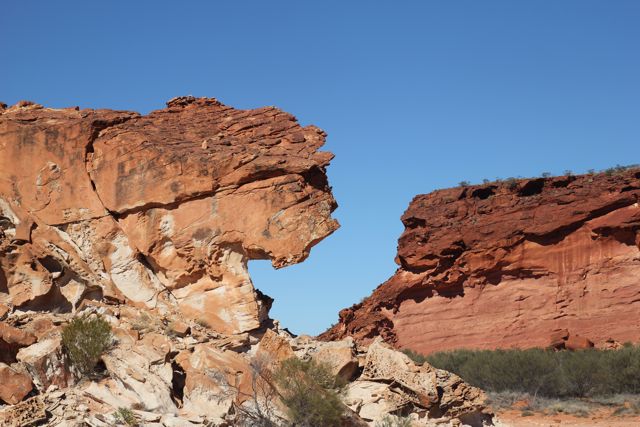
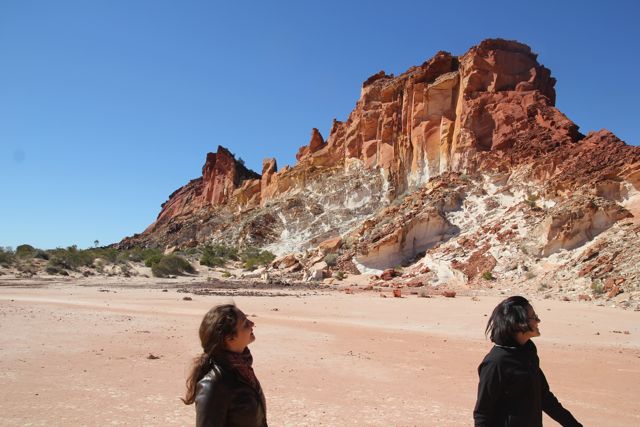
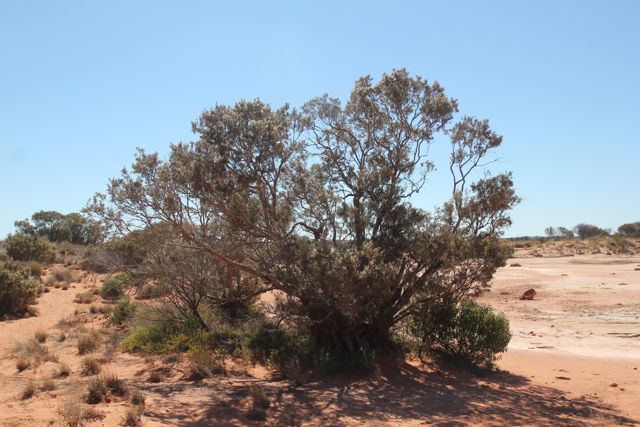
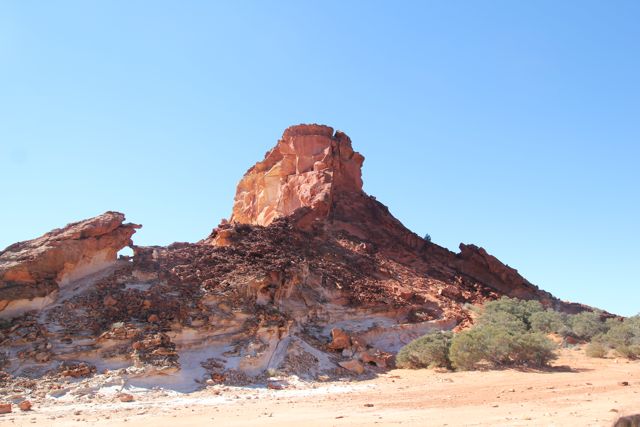
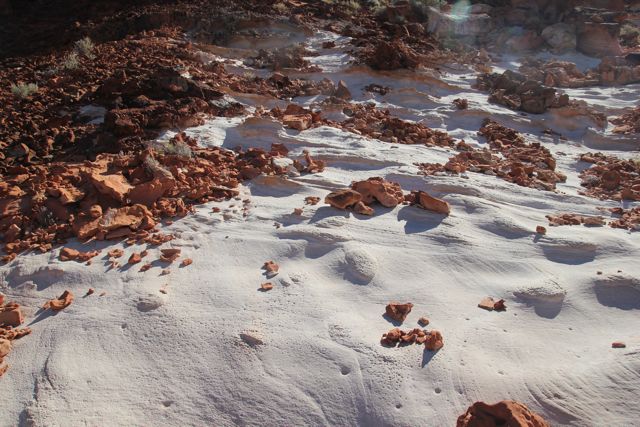
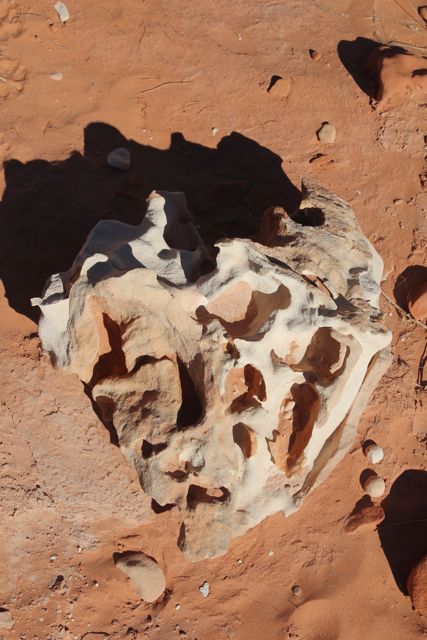
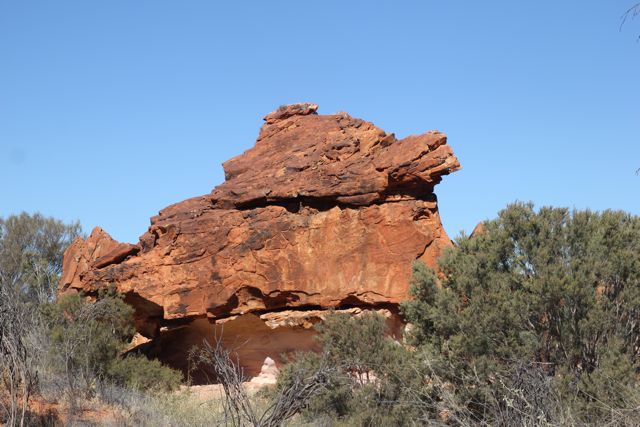
The day starts slowly. We take all our time to have breakfast and put everything back in the car, before going for a little walk in order to discover the Rainbow Valley. I’m really happy that I didn’t miss it. The place is really amazing, with a very nice magical feeling.




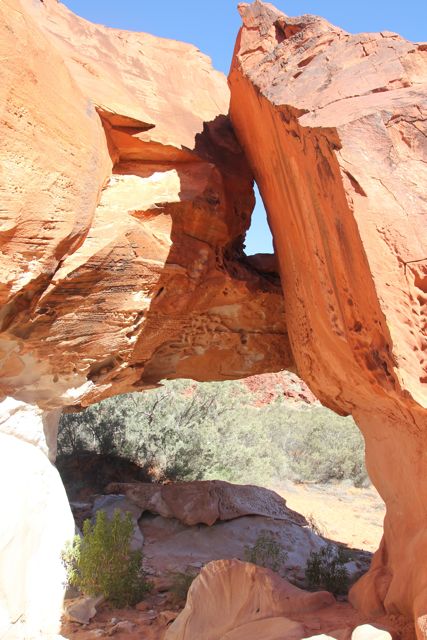
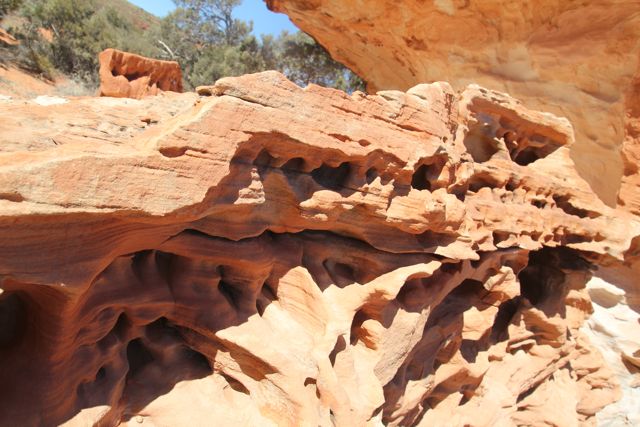

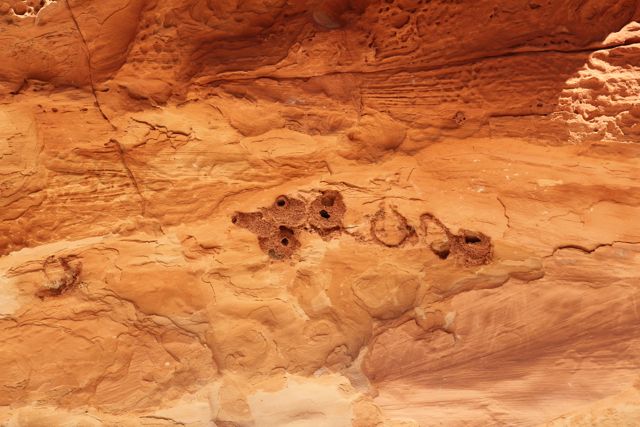
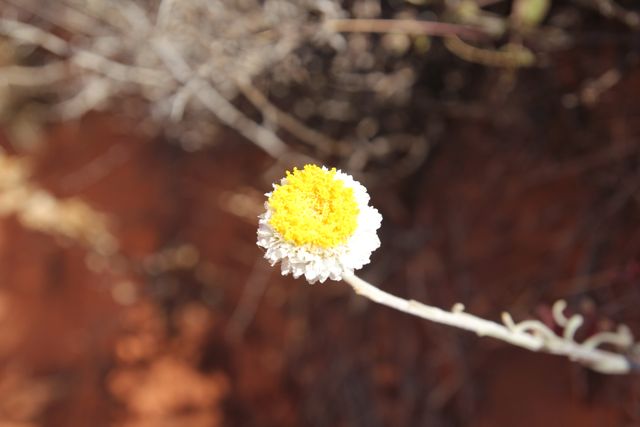


Time flies, and most of the day is behind us when we finally leave the place. We were planning to drive up to Uluru, but decide to take a slowest way. We’ll stop at Erldunda campground. Where the Stuart Highway meet the road to the rock. Where I’ve been waiting for hours as I was hitch hiking to Coober Pedy.
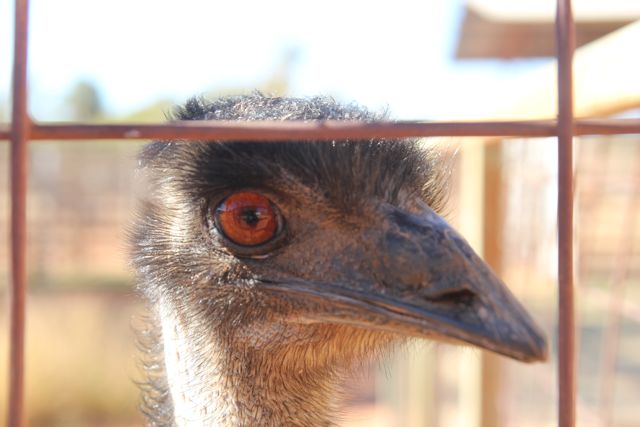
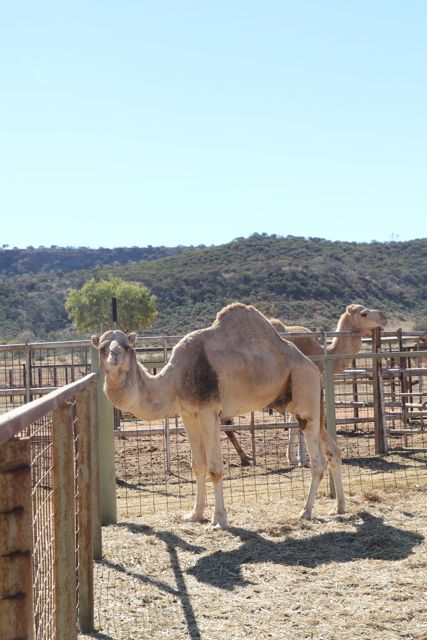


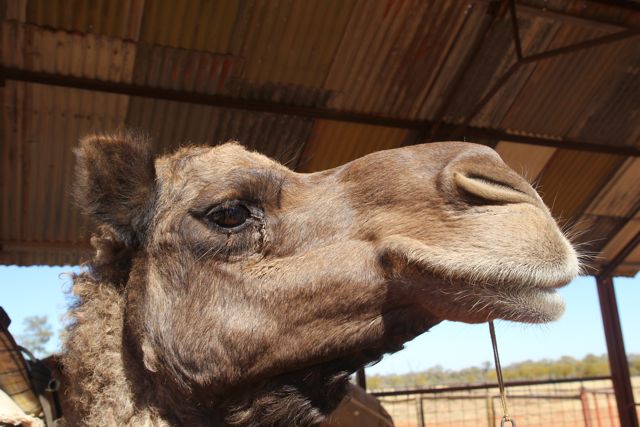
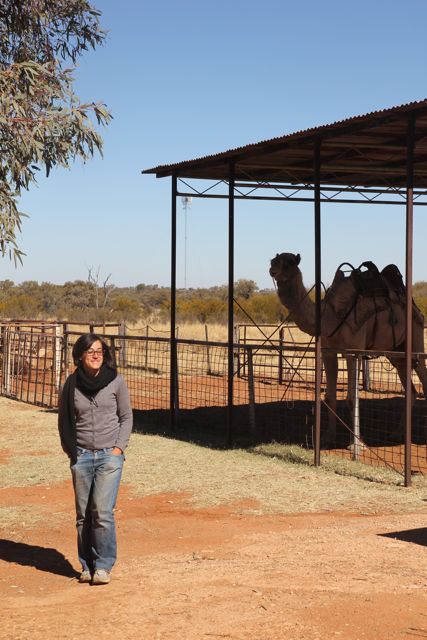

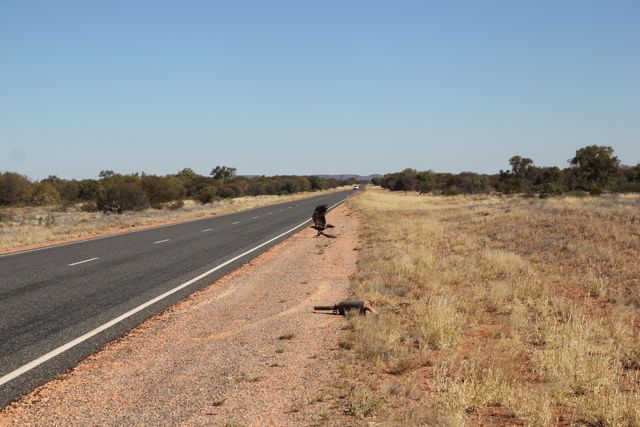
As it’s really early, we even take the civilized option to wash our clothes and ourselves. It’s sometime really useful. And definitely a great feeling! Occasion to talk with a few nice people too, including this english couple, traveling in a van, but who still find the night pretty cold.
Quick stop in Alice
The day before, we have decided to come back to Standley Chasm. We had a great contact with the people there, and we knew that we were going to find the comfort we were looking for (understand electricity and toilet; we are simple people). The next morning, we’ve taken our time to leave the place. Because Ray, the irish manager, is really friendly. So friendly that, instead of telling him “good bye” we said “see you soon, probably next week”.
We told Sara that we were planning to be back in Alice around 11AM. We left the Chasm around 12:30, but arrived in Alice at the same time as Sara. She was coming from Darwin, with a few fellow travelers. They were a little bit late on the schedule. My objective, when I bought the car, was to take it as easy as possible. No more stress, no more schedule, no more timing. I was aiming the Rainbow Valley for tonight. An hour of normal drive and 45 minutes of unsealed road, south of Alice, on the road to the road. It’s part of the “must see” of the area. And the timing was perfect: tonight, there was a ranger talk around the fire.
The first contact with Sara was a good one. The time to have the car ready, buy some food (we won’t find any other grocery for the next seven days or so) et a few other thing (feeling an extra 10 liters tank of water, and an extra 20 liters tank of fuel), it’s already 4:30PM. Sunset will be there soon, but we still prefer to take the road and drive. Don’t like that much driving by night, but it won’t be a very long drive anyway.
In Alice Springs area, there’s two categories of unleaded road. The “4WD only” and the “4WD recommended”. Of course, I won’t even try the first one with Minma. But trying the other one is not a real problem for the old lady, and we arrive at the Rainbow Valley, a little bit shaken, but just on time for the Ranger Talk.
It’s cold. We’re getting used to it. We’ll all sleep in the tent that was coming with the car. But it’s an australian tent. The inside dome is just a mosquito net. The second one is just a water proof fabrics. The tent is huge. Probably not the best thing to keep us warm.
We build the tent quickly, before joining a really inspiring fire, to listen to a ranger talking about plants and animals of the area. If what he says is interesting, there’s no image or picture to really see the animals, and it’s a little bit hard to imagine them. I still grab a couple of information. At the end of the talk, we use the fire to boil some water for the hot water bottles. They will probably be useful tonight. We’re hiding in the tent soon after that for of first night on the road. The contact with Sara is nice. Everybody’s talking in english. From time to time, Hripsimé and her talk in italian. Or sometime in german. With me, she speaks in french. The car is a mix of languages that I really like.
I’m a swagman!
A swag is one of the symbol of australian outback. As long as you haven’t try it, you don’t really understand. Your not sure. You’re asking question. And then, one night, you end up sleeping in a swag. And you can’t sleep in anything else after that. You even end up buying one!
Swags came from germany, but was not really adopted in his mother country. The weather was not the best for it. But Australian climate was just perfect, and it was a great success. Lot of ozie have there own swag (specially those traveling in the outback).
Good. But what it is exactly? Well… it’s the son of a tent and a sleeping bag. Imagine a sleeping back, with a mattress in it, in a big strong fabric, and you’ll get the idea. Perfect for sleeping outside when the weather is nice to watch the star. If it’s a little bit to cold, you can bring the fabric back to protect your poor little noise. Just perfect! But why only it the outback? I haven’t try the waterproofing of a swag yet, but I can of feel that you prefer to be in a dry place. You also prefer to be in a warm place, as camping outside when it’s freezing is… freezing. And it’s also the pleasure of watching the star. And there’s no better place that the remote australian outback for that. Swag was used a lot by worker/wanderer, going from one farm to an other one. Very handy: you roll all your stuff in the swag, and in 30 seconds, your ready to go to bed. The next morning, you’re ready to go in 30 seconds too. Not really easy when you’re hitch hiking or traveling light. But perfect if you have a car!
So…
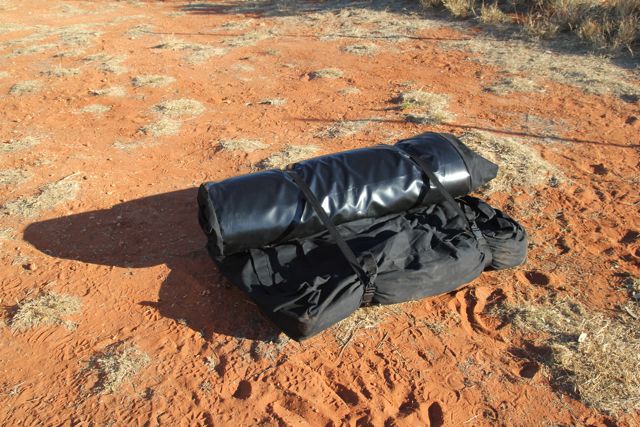
A rolled swag looks like that :

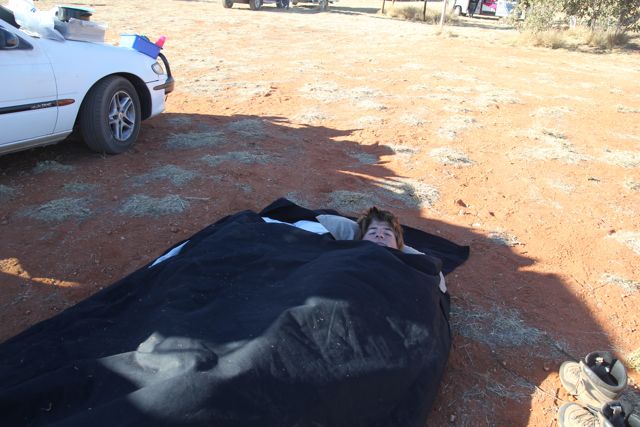
An open swag with a sleeper in it looks like that :
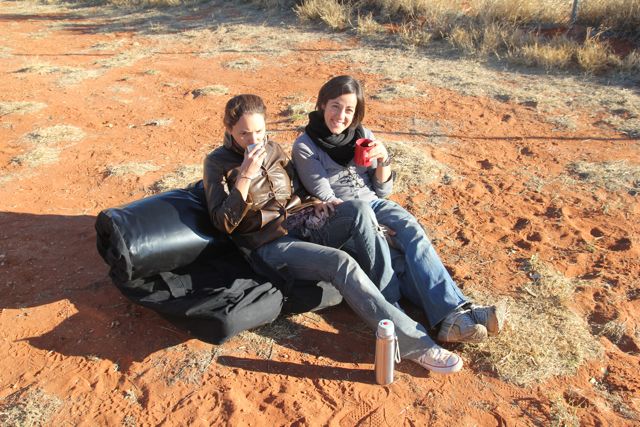
And if you want, you can transform your swag to a comfy couch:

As the swag is really classical in australian culture, we find it in the very famous song “Waltzing Matilda”. Probably the most known traditional australian song. Yes, a Matilda is a swag. And a swagman is a wanderer. If you want to complete story of the song, a visit to wikipedia is a must: http://en.wikipedia.org/wiki/Waltzing_Matilda
Once a jolly swagman camped by a billabong
Under the shade of a coolibah tree,
And he sang as he watched and waited till his billy boiled:
“You’ll come a-waltzing Matilda, with me.”
Waltzing Matilda, waltzing Matilda
You’ll come a-waltzing Matilda, with me
And he sang as he watched and waited till his billy boiled:
“You’ll come a-waltzing Matilda, with me.”
Down came a jumbuck to drink at that billabong.
Up jumped the swagman and grabbed him with glee.
And he sang as he shoved that jumbuck in his tucker bag:
“You’ll come a-waltzing Matilda, with me.”
Waltzing Matilda, waltzing Matilda
“You’ll come a-waltzing Matilda, with me”,
And he sang as he shoved that jumbuck in his tucker bag:
“You’ll come a-waltzing Matilda, with me.”
Up rode the squatter, mounted on his thoroughbred.
Down came the troopers, one, two, three.
“Whose[N 1] that jolly jumbuck you’ve got in your tucker bag?
You’ll come a-waltzing Matilda, with me.”
Waltzing Matilda, waltzing Matilda
“You’ll come a-Waltzing Matilda, with me”
“Whose that jolly jumbuck you’ve got in your tucker bag?
You’ll come a-waltzing Matilda, with me.”
Up jumped the swagman and sprang into the billabong.
“You’ll never catch me alive”, said he.
And his ghost may be heard as you pass by that billabong:
“You’ll come a-waltzing Matilda, with me.”
Waltzing Matilda, waltzing Matilda
“You’ll come a-waltzing Matilda, with me”
And his ghost may be heard as you pass by that billabong:
“You’ll come a-waltzing Matilda, with me.”
West Macdonnell Range – day 3
Ochre Pit
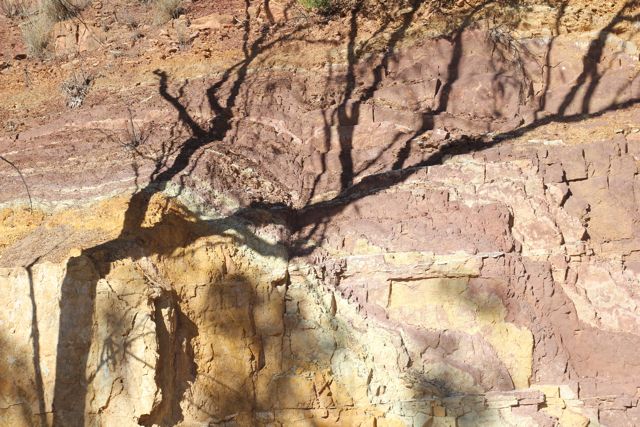
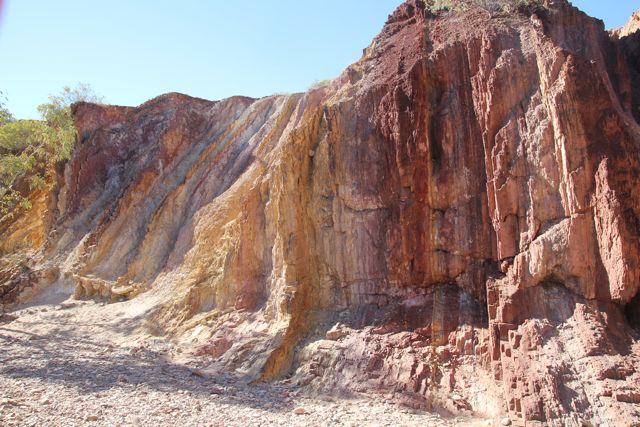
It’s freezing cold when we wake up the next morning. A good excuse to get ready quiet fast, and be back on the road, heading to Ochre Pit, a place known to be a source of pigment for aboriginal people. Sacred place, traditionally just for men.





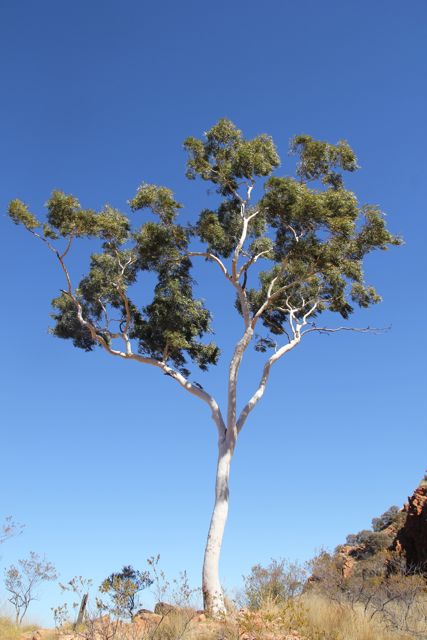
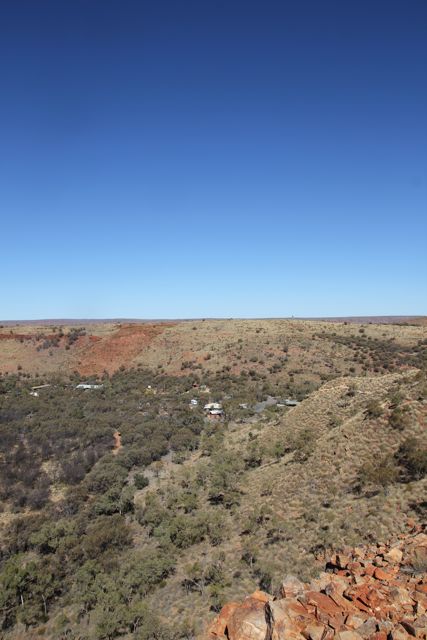
Ormiston Gorge
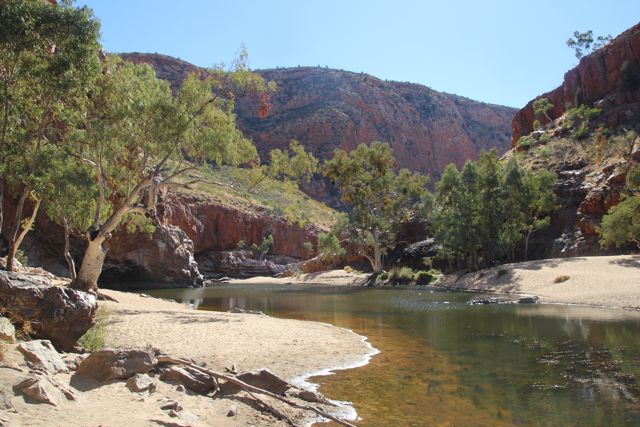
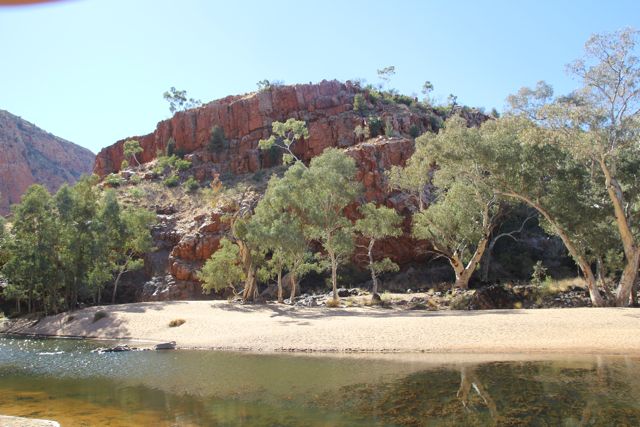
If most of the place we stopped on the road offer just a quick 15 minutes walk, Ormiston Gorge offer a nice little trail, in order to discover the back of the gorge, and then to climb to an other great viewpoint.

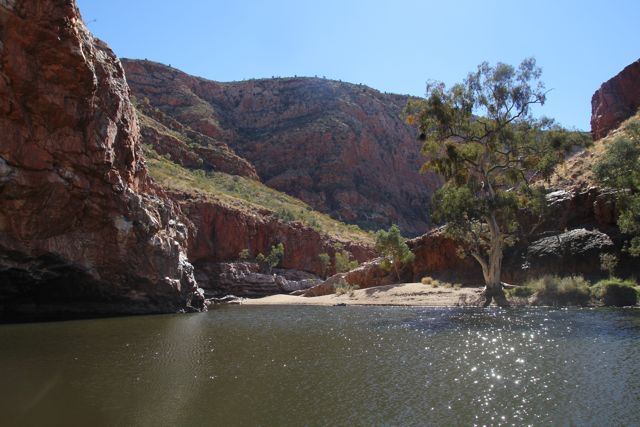


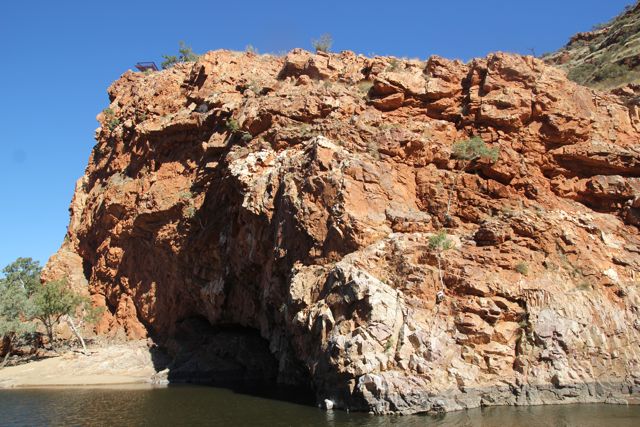


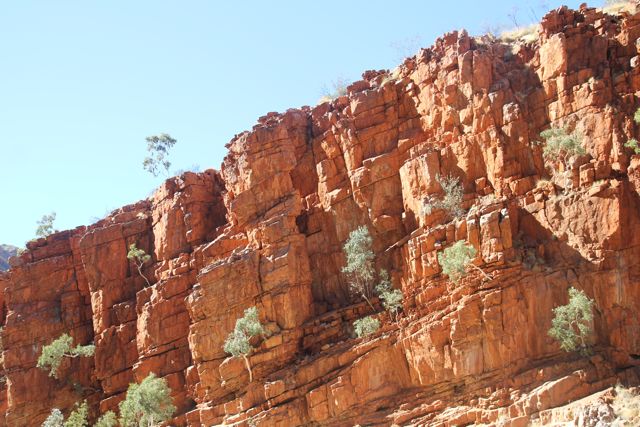


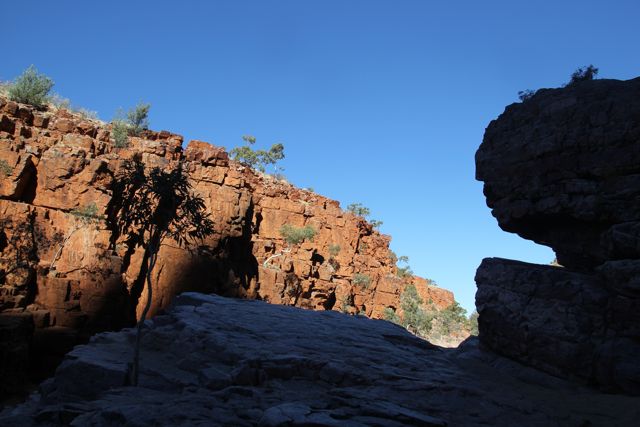


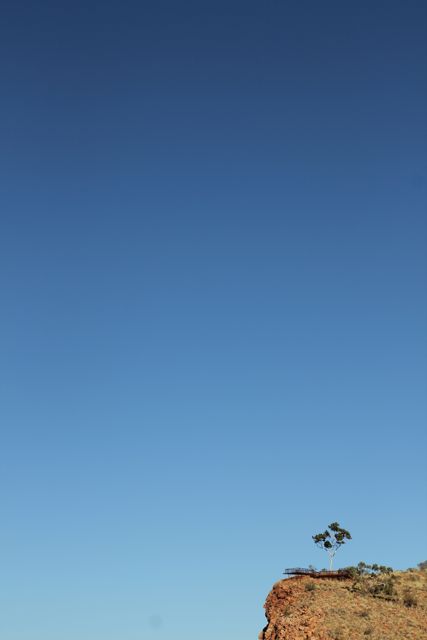
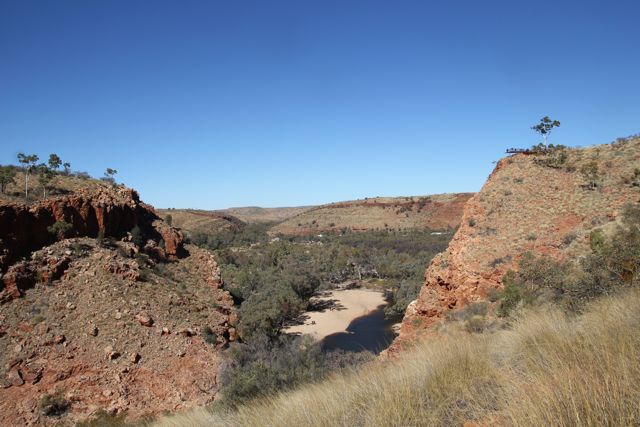


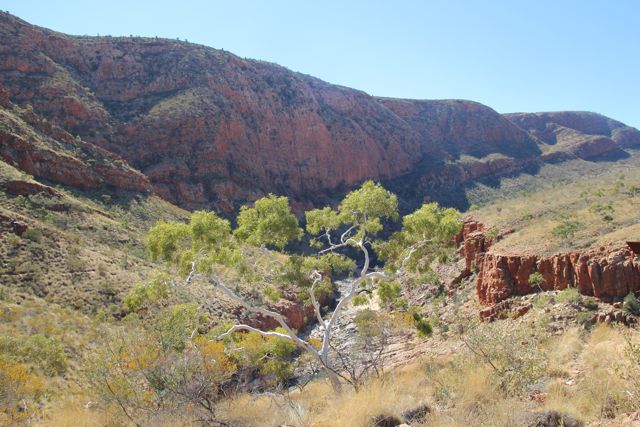
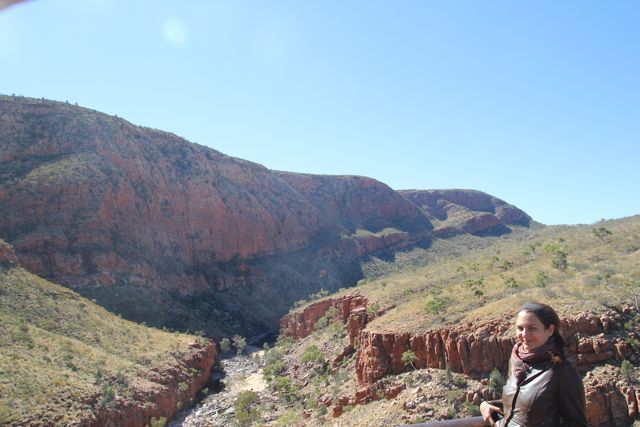



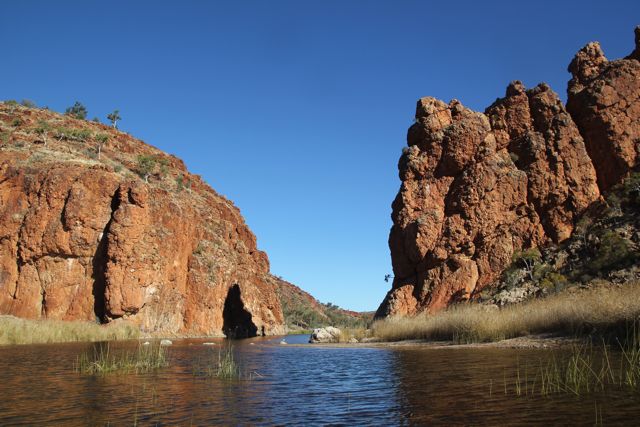
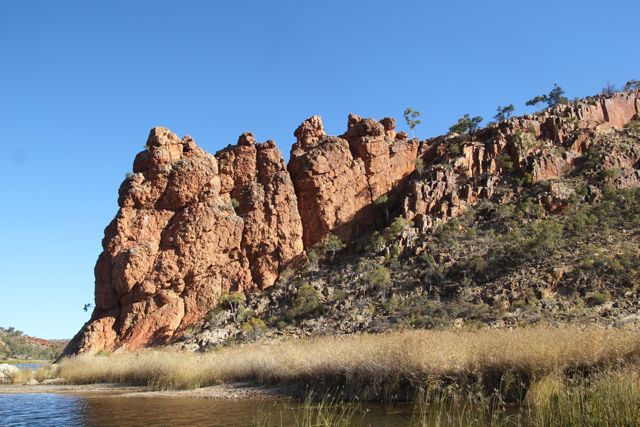
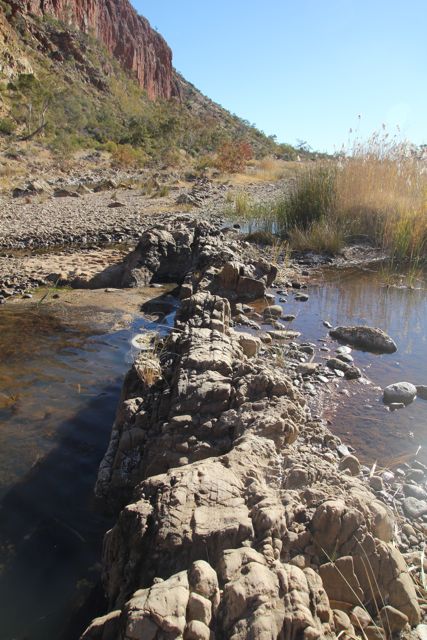
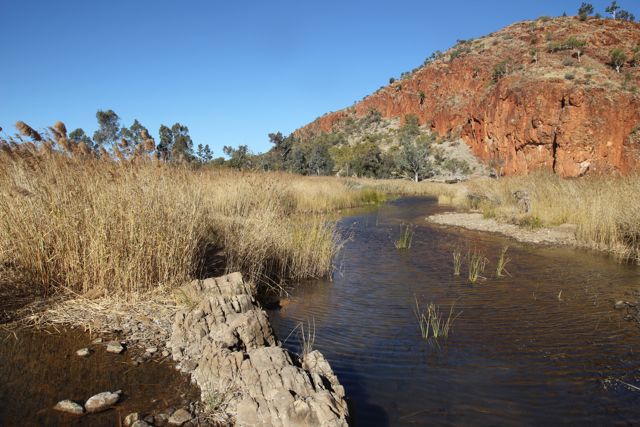
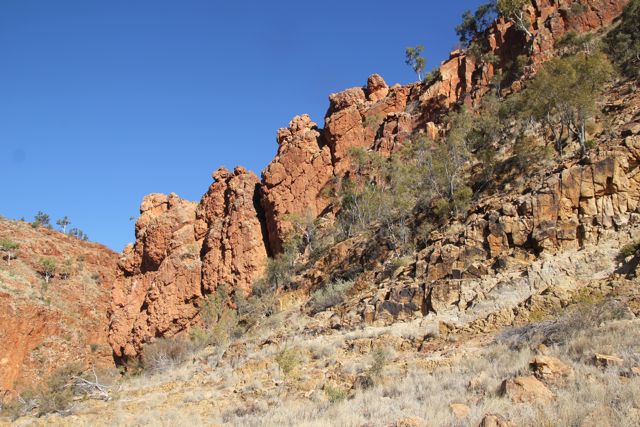
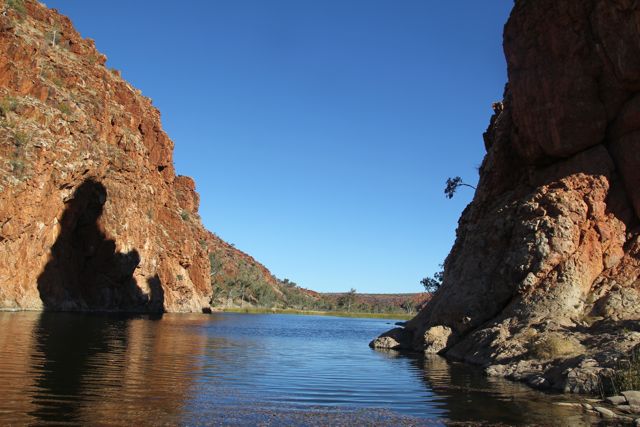
Glen Helen Gorge
That means, for us, the end of the road. We could go on if we want, in order to do a loop. But we have to be back in Alice tomorrow morning, to meet Sara. An other italian girl, who contacted us after we put an post on couchsurfing saying that we were looking for a 3rd travelers to jump in the car in order to reduce the cost as much as possible. She was still in Copenhagen one week ago when she contacted us. She’s arriving today in Alice. Just on time. The road go on, but is recomanded for 4×4 only. And we might have an opportunity to come back here. Maybe. We’ll see!




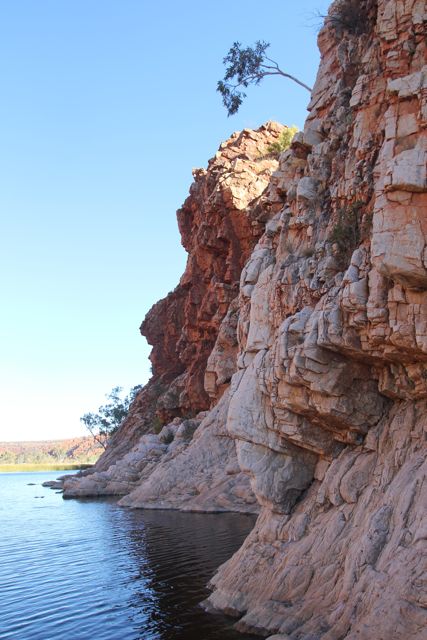

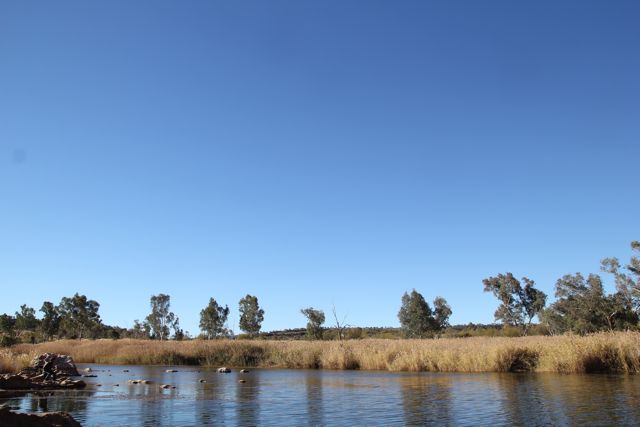
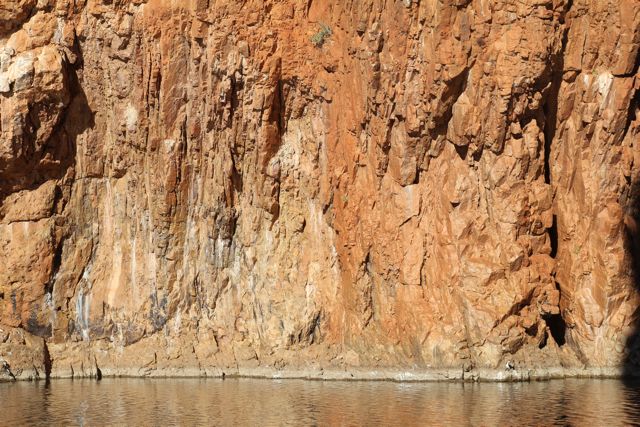
West Macdonnell Range – day 2
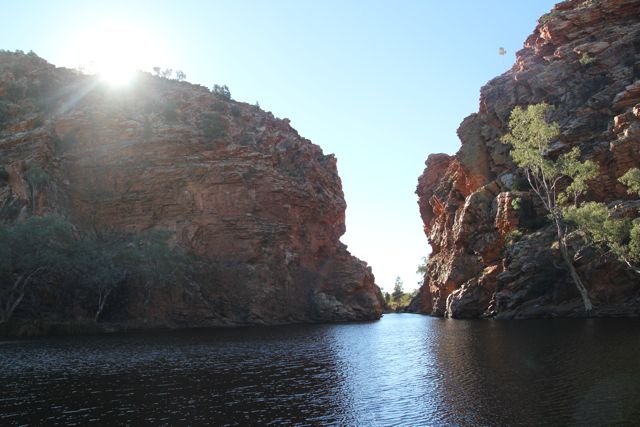
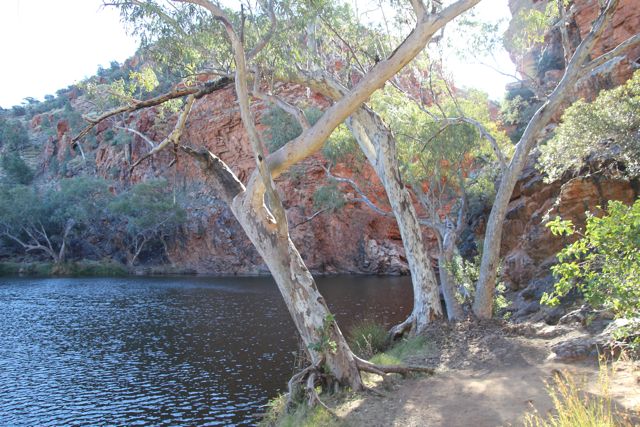
Ellery Creek Big Hole
After a very quiet morning (including a very nice staff practice and an other visit to the Chasm with a better light) we’re back on the road. Next stop at the Ellery Creek Big Hole. The area is known for all its little pool. Real pleasure, during summer time, to cool down. But with temperature between -1 and -4 by night and 15-20 during the day, we’re not really motivate to wet our toes.


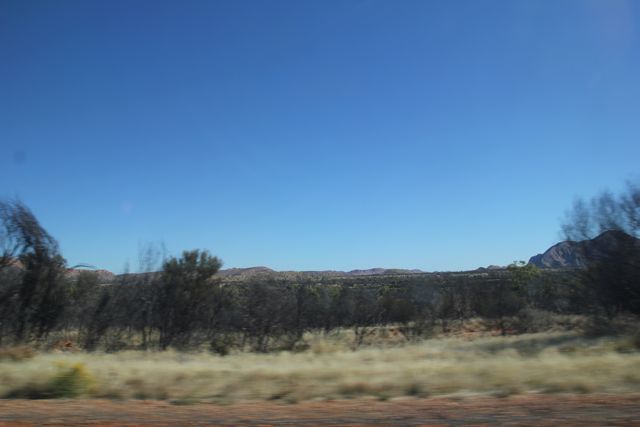




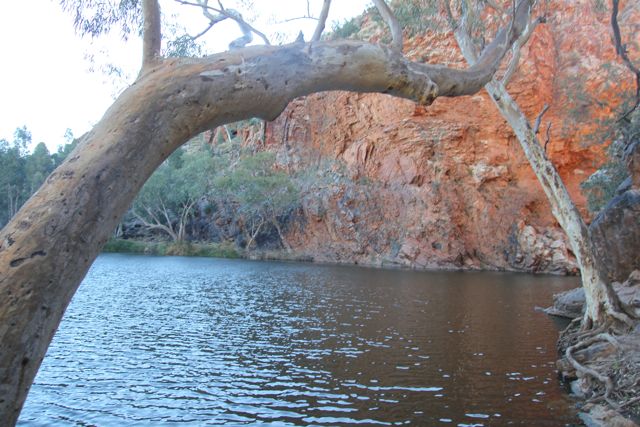

Serpentine Gorge
Few km further, with a very nice view point.
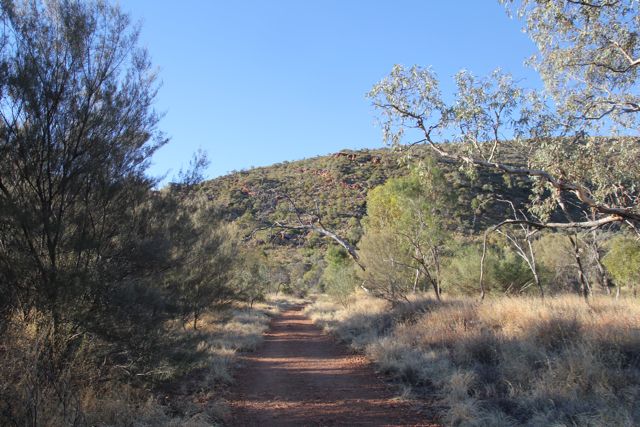

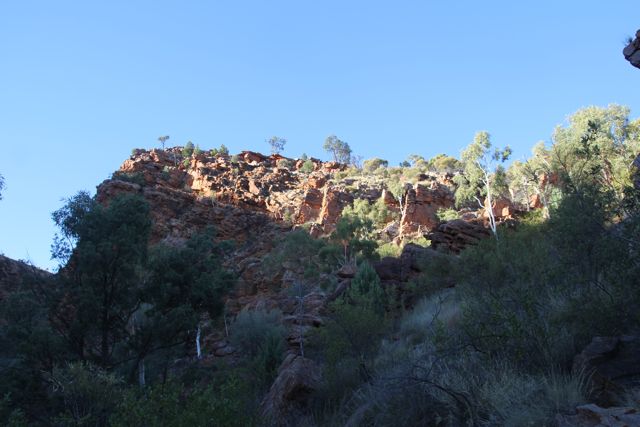
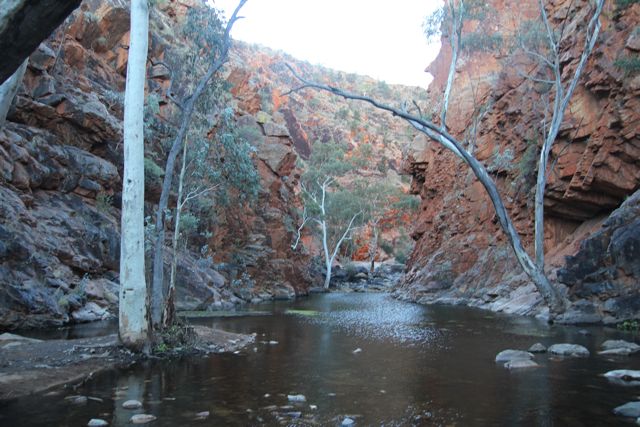
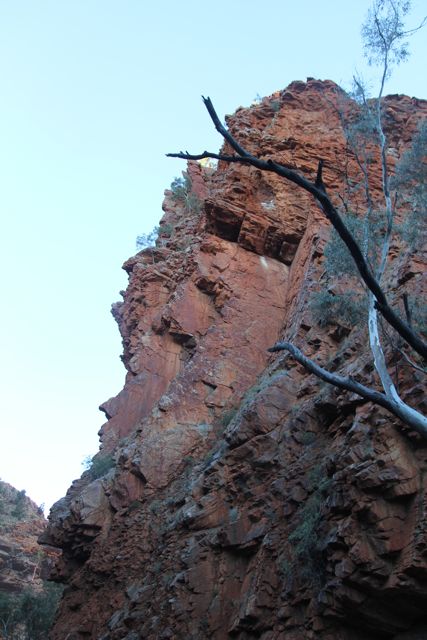

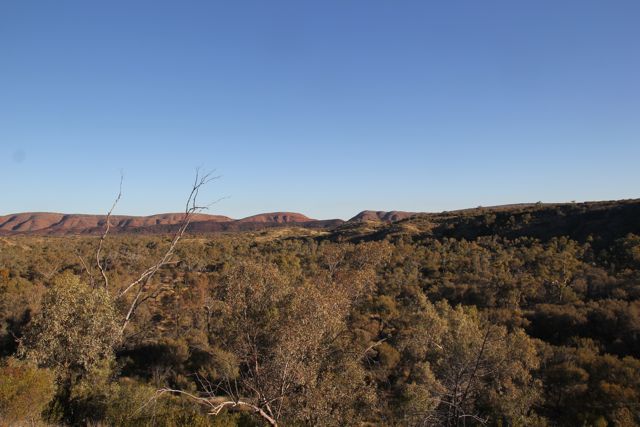
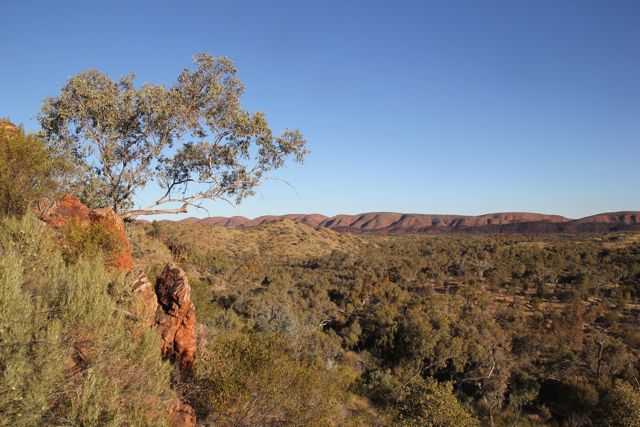


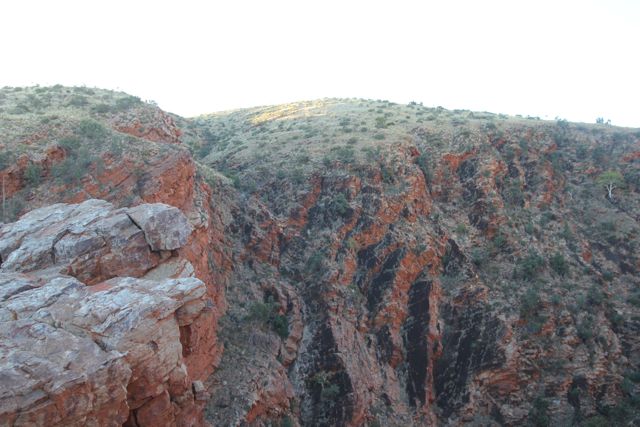


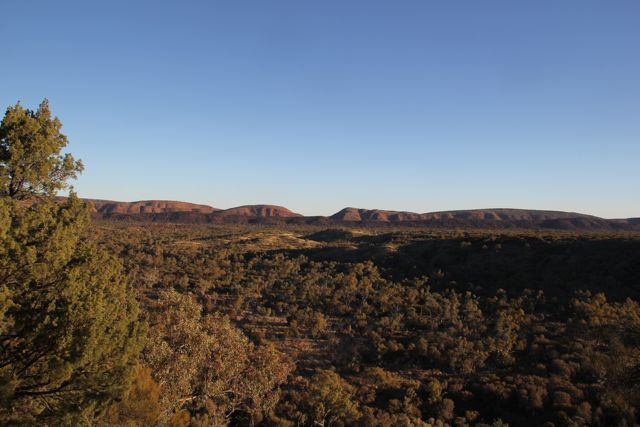
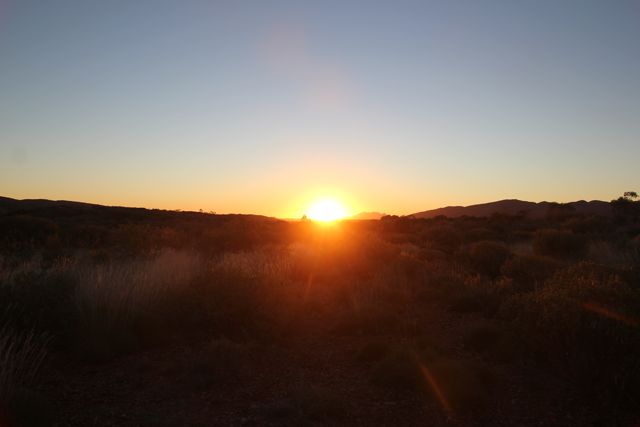
We leave the gorge at the end of the afternoon. A short drive after, the car is stop again, on a rest area where we’ll spend the night. There’s a few other campervan, and a really nice campfire. We stop to talk with people, and to take some warmth. But those people are not so much inspiring, and we don’t stay for too long.
West Macdonnell Range
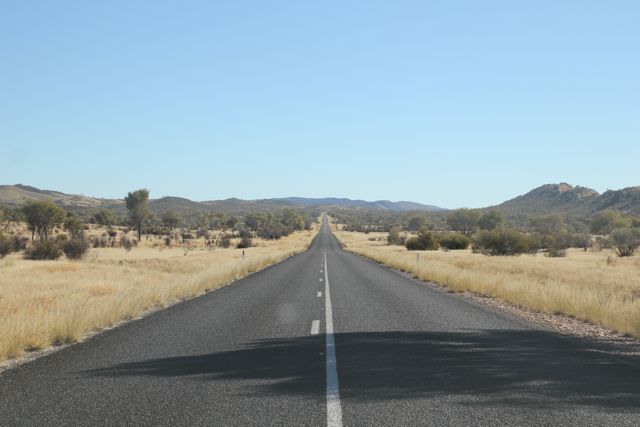
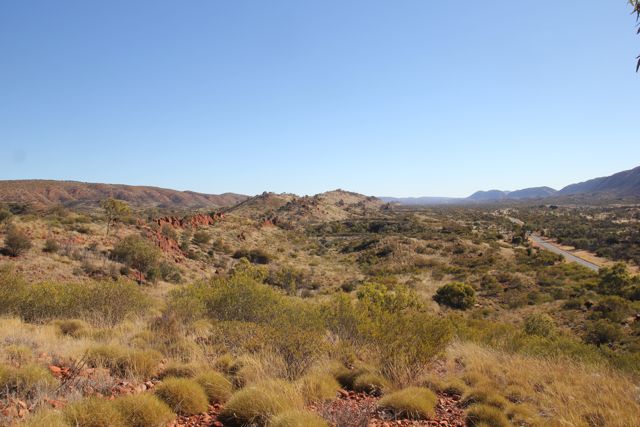
Who’s Minma exactly? It’s what australian call a « station wagon ». One of those pretty long car, that make travelers happy, because it’s so easy to sleep inside. The idea might sounds strange, but I did buy a car in order to go even slowly when traveling. It’s nice to know that I can stop as long as I want, anywhere, now. The other good thing with those travelers car, is that they have millions of kilometers behind them, and you sometime have the feeling that they will never stop. And, because of there age, they are really, really cheap. So here I am, as a motorized traveler. And we have decided, with Hripsime, to discover the West macdonnell Ranges, in order to check that the car works well. And, of course, to discover the landscape. Because when you leave Alice heading west, it’s just amazing.

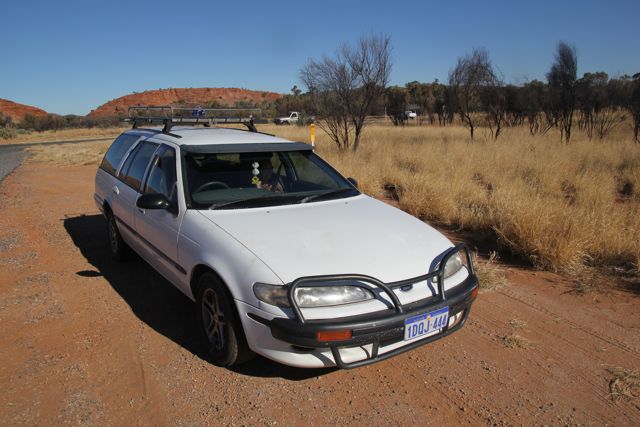

The program is pretty basic. Follow the road, and stop every 10 to 40 kilometers, to enjoy all the amazing things to see.
Simpson Gap
Gap are quiet common in the area. It’s those little gorge, carved by river in the surrounding mountain. Interesting to realize that water, so absent from the landscape, just create every thing here.

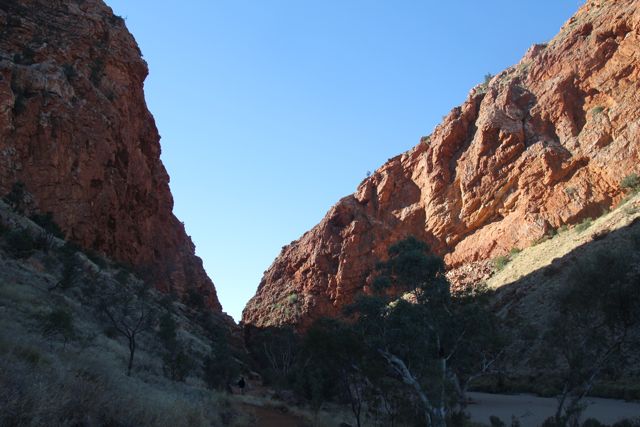


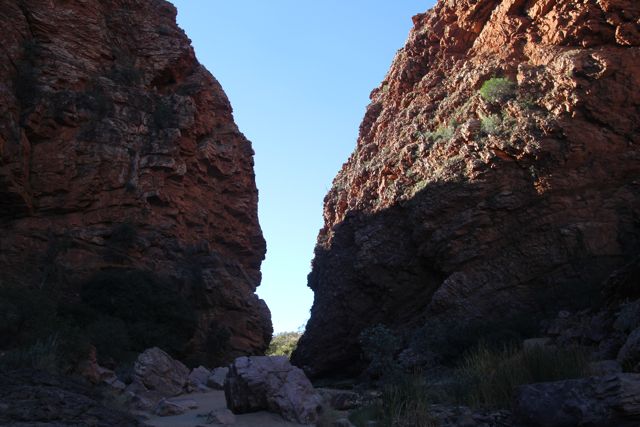


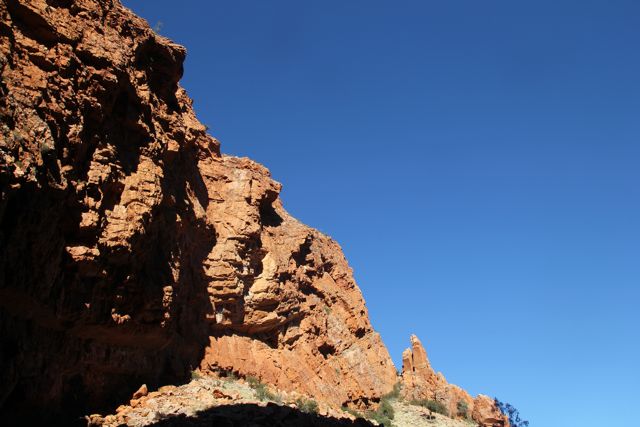
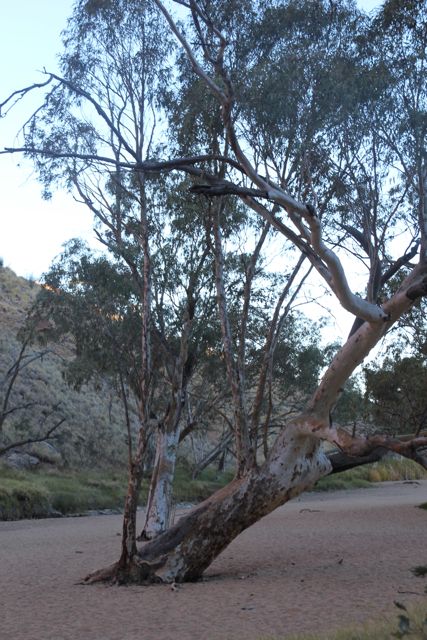
Stanley Chasm
Probably the most known stop in the West macdonnell Ranges. Here, the wall of the mountain are so close that you have the feeling to walk in a corridor. It doesn’t miss that much that you can touch both side of the mountain. Stanley Chasm is full of majesty, and of a tranquil power so amazing.
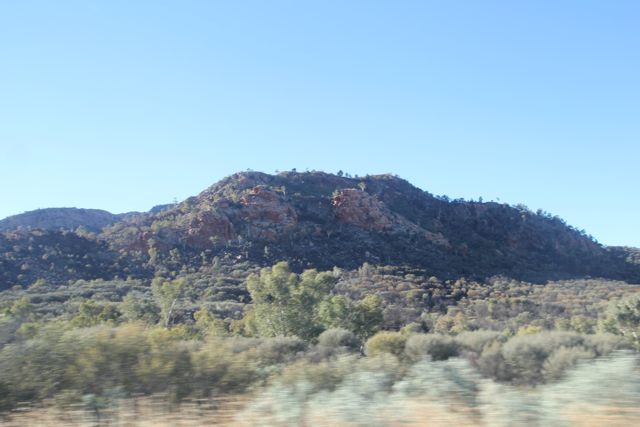


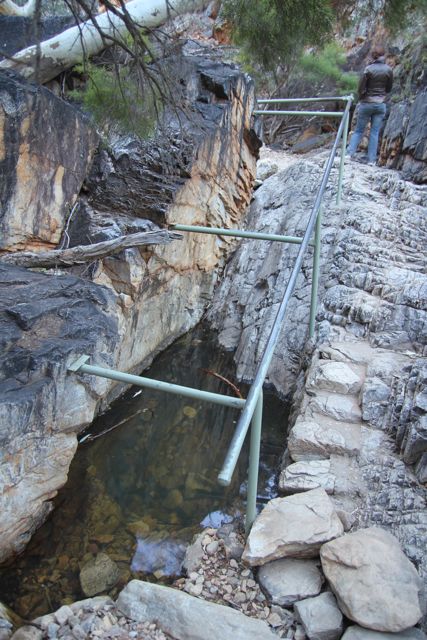


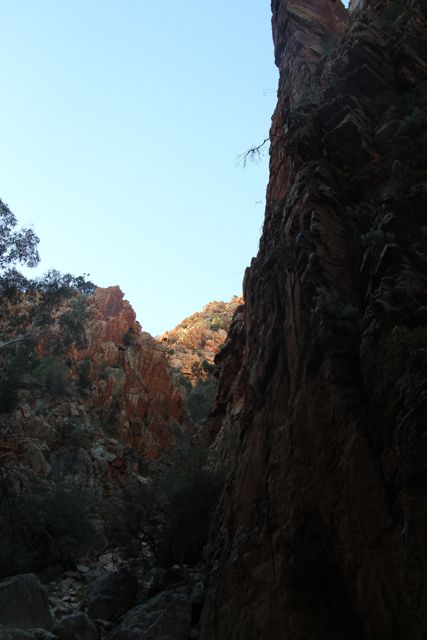


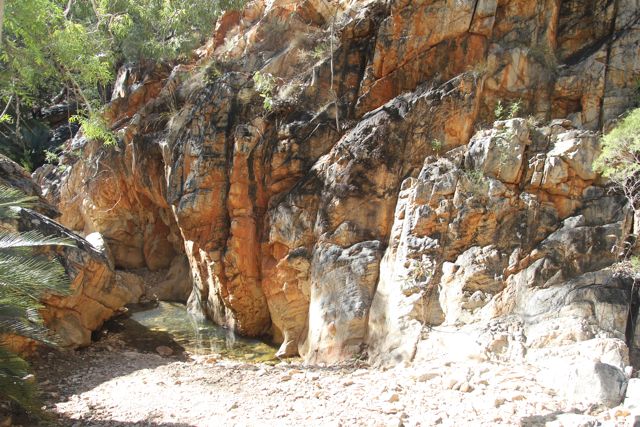
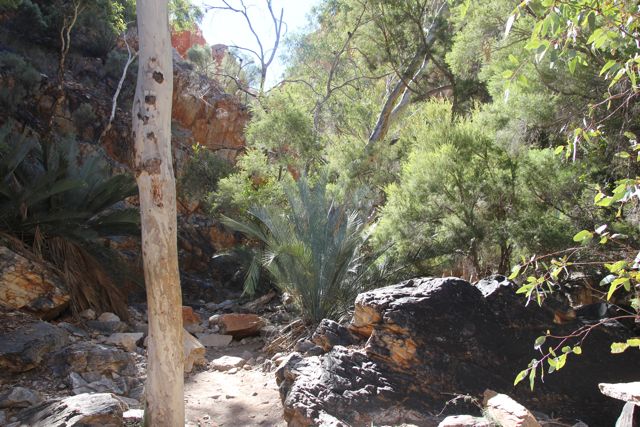


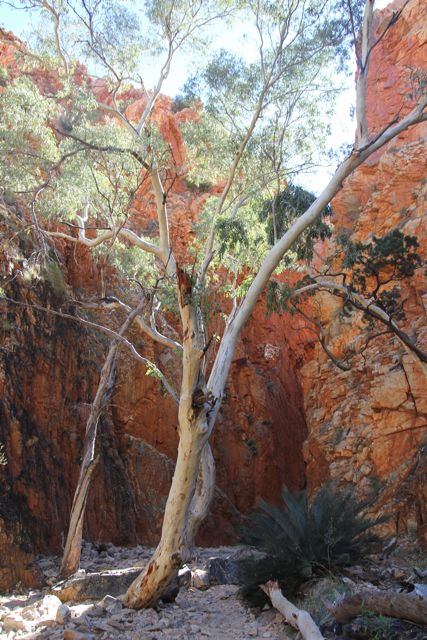


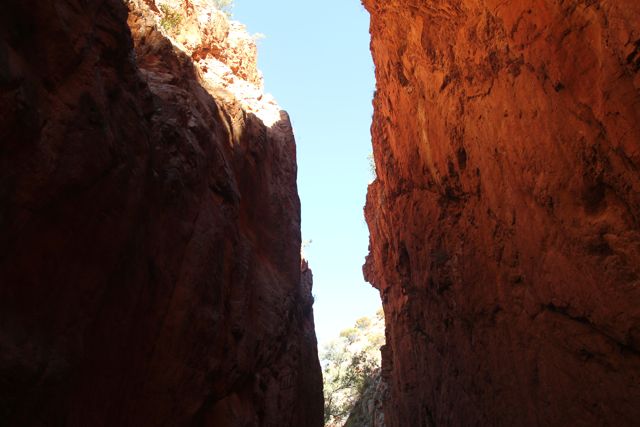
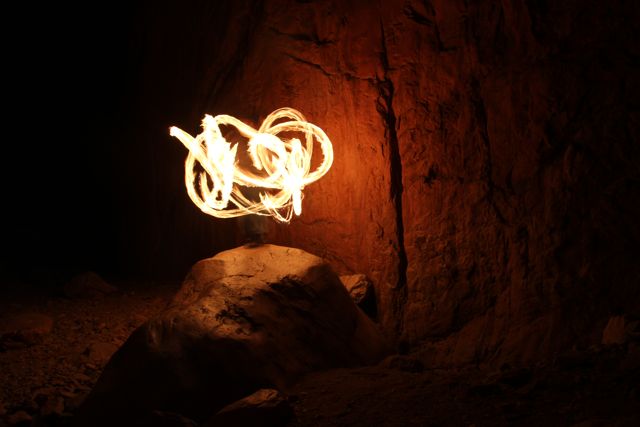
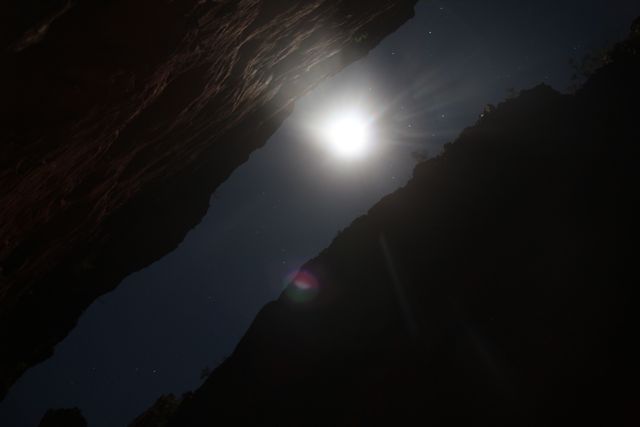
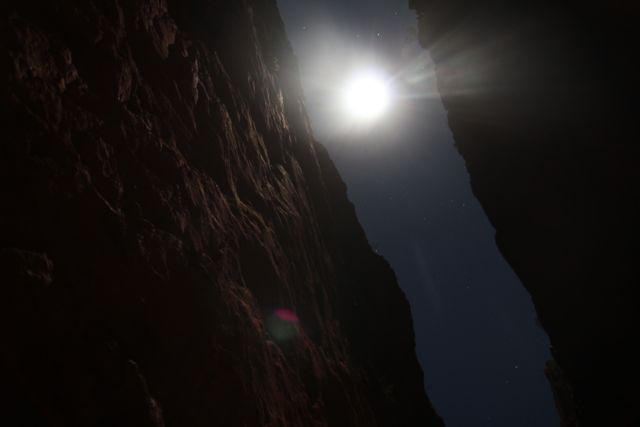
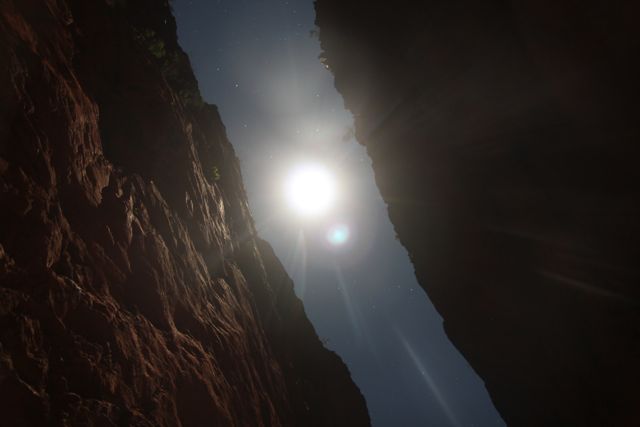
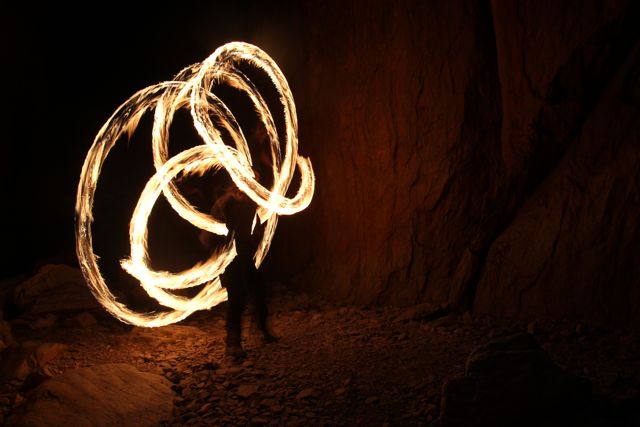
The place is gorgeous. We left Alice Springs quiet late, so we decide to stop here for the night. When I’m walking between those stone wall, I can’t stop thinking that it would be an amazing place for fire picture. And then, it’s full moon. With the moon straight over the chasm, the view is probably amazing. But… well, it’s really cold during the night. I’m not sure I’ll be feeling courageous enough to go back…
It was, of course, without taking in account the random meeting you always make when traveling. I don’t remember his name. He was Irish. He lived in Hungarian for a while, before coming to Australia. He came to start a fire. We talked a little bit together. He told us that his daughter was coming with some friend from Alice to celebrate the full moon. There was his daughter, his son, his wife, two australians and a french. We all gather around the campfire, talking and enjoying its warmth. Until I saw to fire stick on a table. Not so long after, while the moon wast just perfect, we were lighting the place with our dancing flame. And it was the opportunity, for me, to play didgeridoo while the brother and the sister were singing traditional irish songs…




Minma, The Old Lady
One morning, a young aboriginal boy knocked at Terry and Jo’s place. He was holding a baby kangaroos. He looked Terry and ask “will you take care of my Malu”. Malu meaning kangaroo, in the aboriginal language speaker in Coober Pedy area. Of course, they accepted. The boy told them that her name was “Minma”. They liked it, thinking that it means “Woman”. A few weeks later, they asked aboriginal, who laughed and said “no, Minma means The Old Lady”. I heard this story a couple of time, and it always make me smiles. I think that “Minma, the Old Lady” sounds really nice to my ear. I like keeping name, in a corner of my head, just in case. That could be always useful. Like today, when Minma just get into my life. I promise, I’ll talk a lot about Minma soon!
Jaab, Louise and the 5 stars curiosity
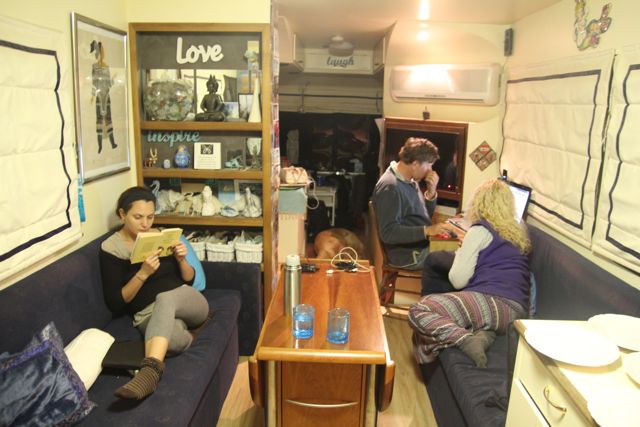
Jaab is from Netherland, but has been living in Australia for ten years or so. Louise is australian. They met a little bit more than one year ago. Since, they sold there houses and most of the things they owned, in order to buy “The Spiring of Curiosity”. An old bus, transformed to a 5 stars house, where they now live full time, traveling -as slowly as possible- across Australia. Travelers, couchsurfers. The Spirit of Curiosity is big enough to allow them to host other travelers they meet on the road. I’ve seen there profile while they were in Coober Pedy. they were the only other couchsurfer while I was there. I didn’t contact them immediately, and when I looked for there profile again, they were already gone. A few weeks later, they were in Alice Springs. Hripsime contact them before flying to the red center, as I was not in the best condition to host her myself. That allows her to enjoy an amazing welcome in a bus more than comfy. Well, I do have to confess that I enjoy the comfort of the bus too. Jaab and Louise are just lovely. We spent a lot of amazing moment talking -most of the time while having food, and some wine. Travelers in the soul, with lot of anecdotes to share. If we talked about Europe, North America and Australia, we also talked about artificial intelligence, politics, economy, and so much more.
And finally, “the Spiring of Curiosity” had to go back on the road, heading north. We are going west. For a small loop, in the West Macdonnel Ranges. We’ll be coming back in Alice in a few days, and then heading to Uluru. Before going north too.
As usual, saying “good bye” was not really easy. But even if they have a long advance on us, they travel slower than we do. So we do have an appointment. Some where. Some time. Here. Or there. Or maybe somewhere else.




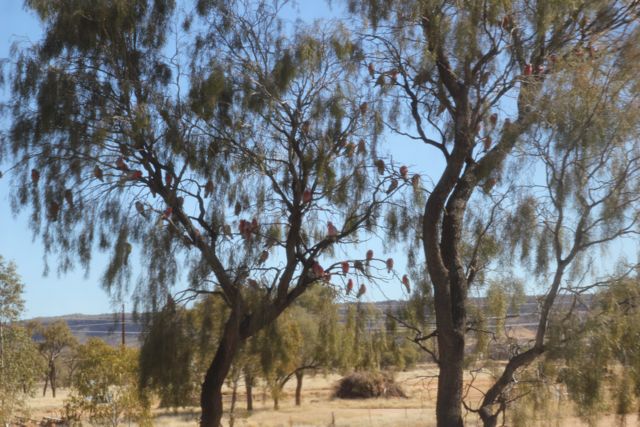

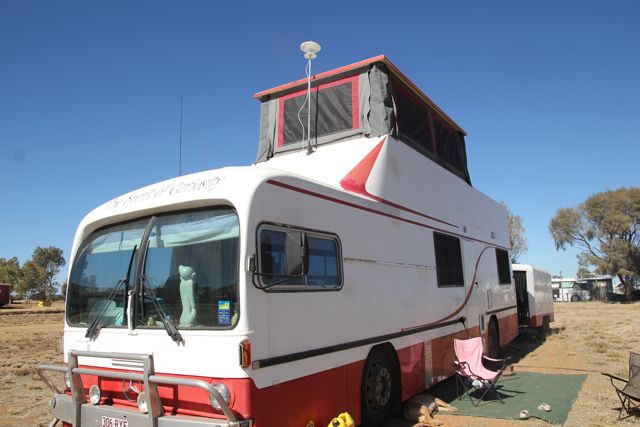
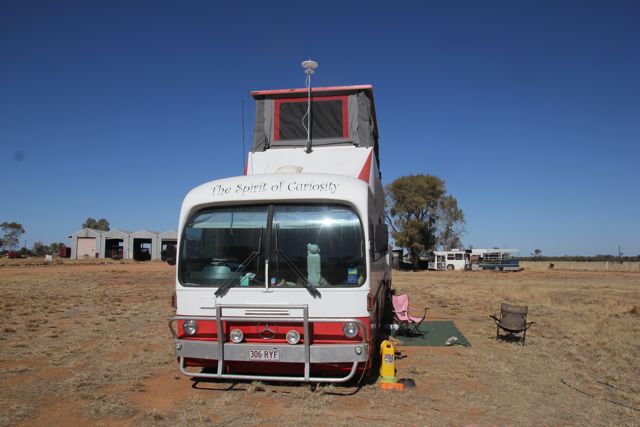


Back on the road. Arltunga and Trephina.
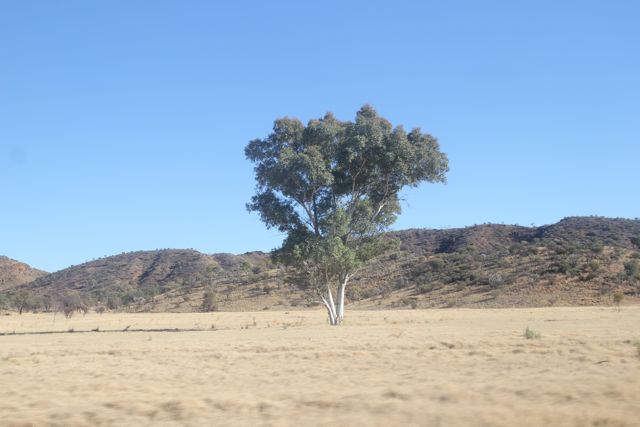
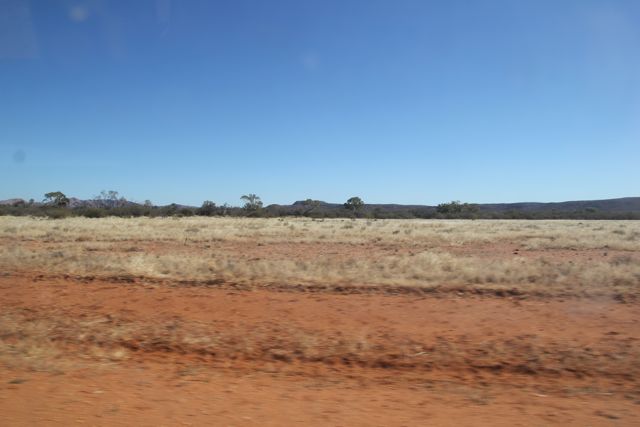
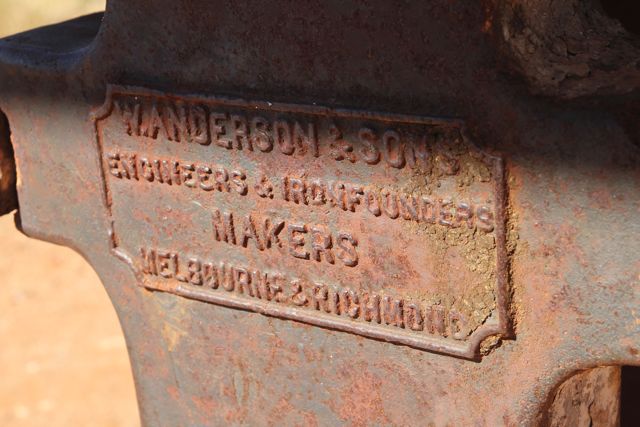
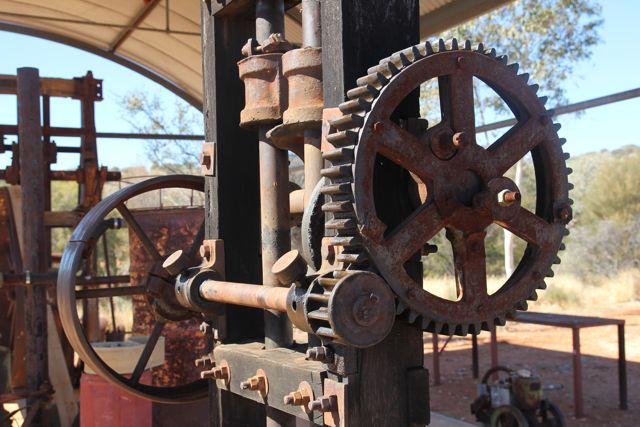
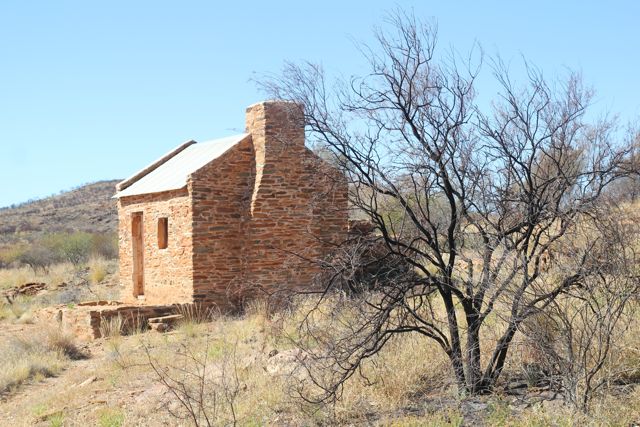
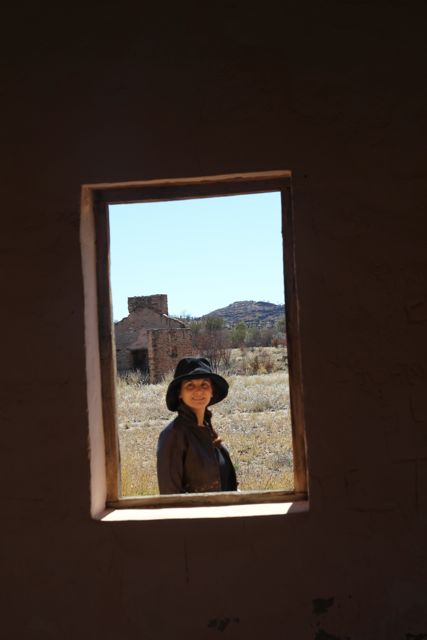
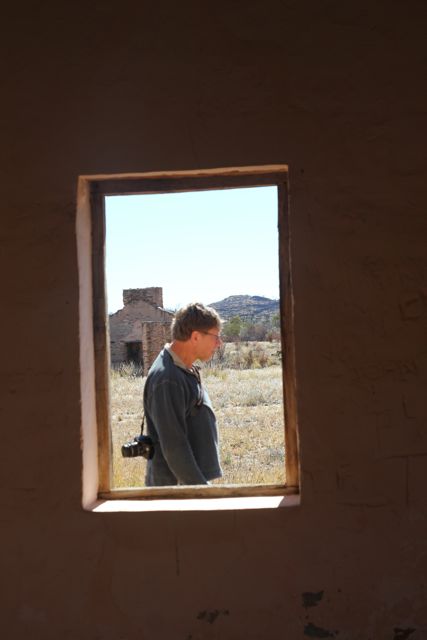
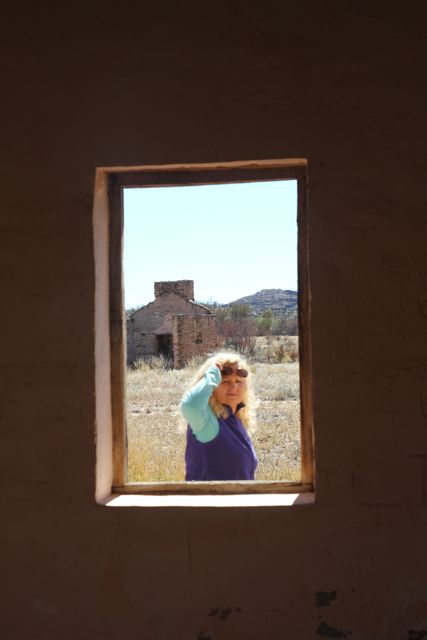
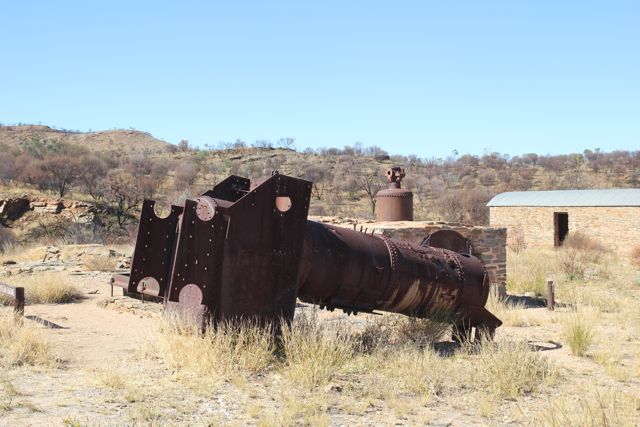
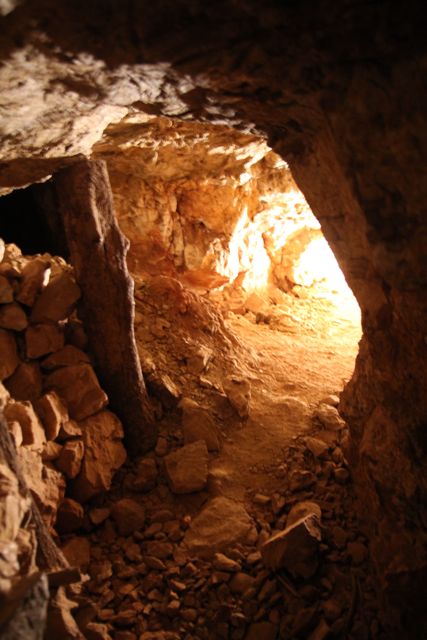
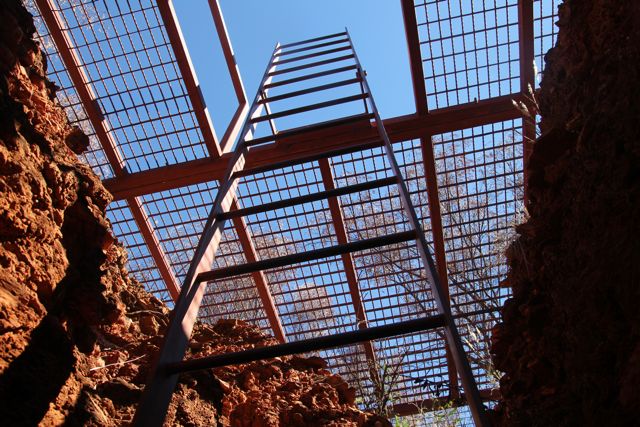
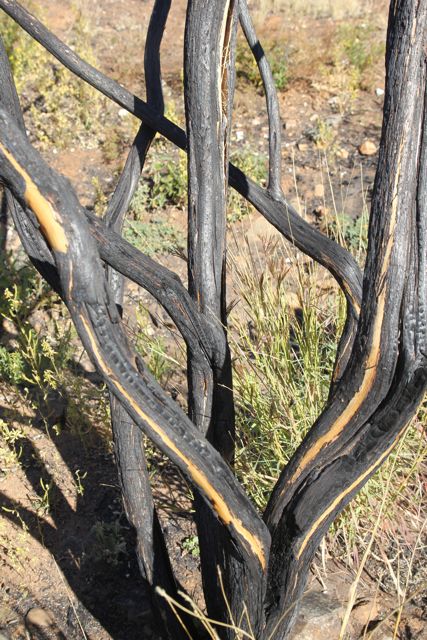
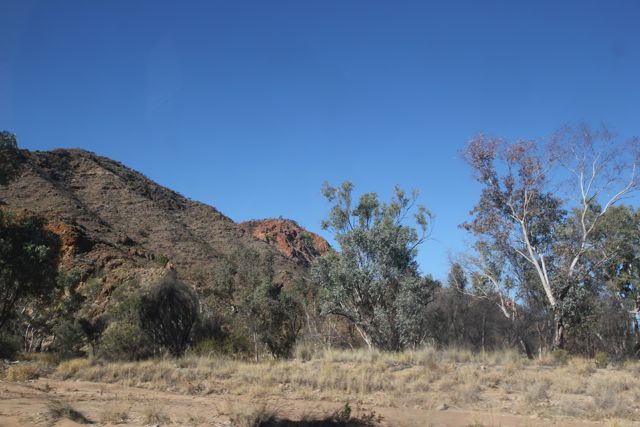
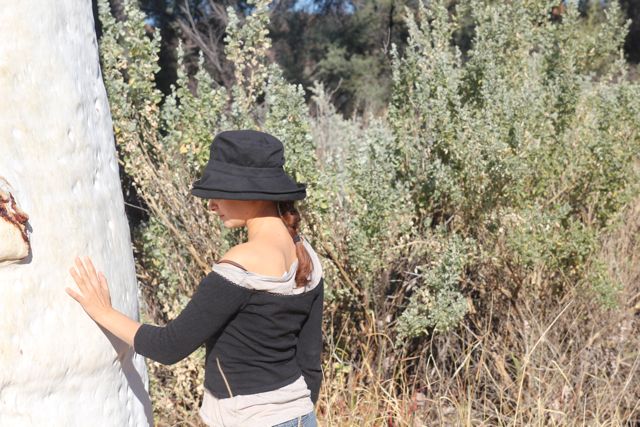
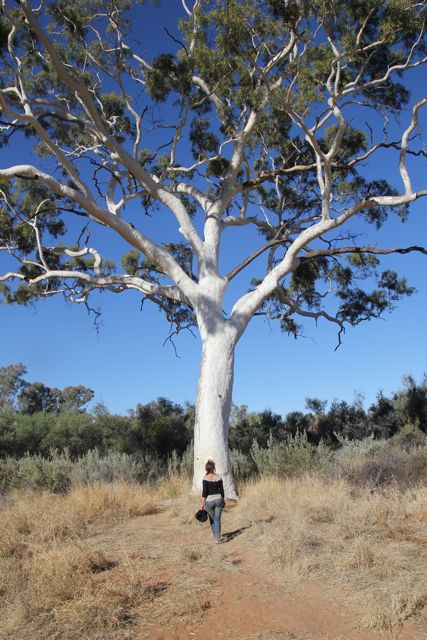
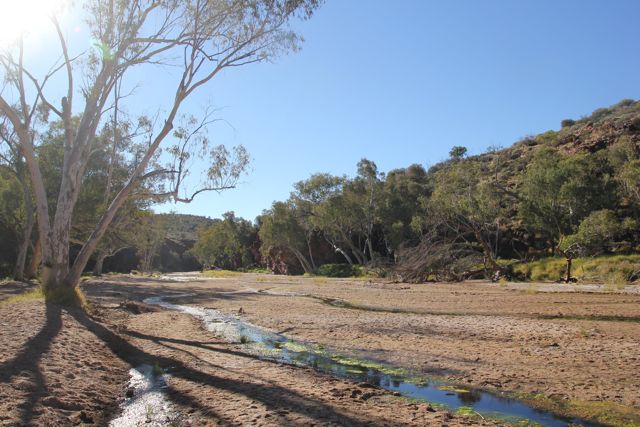
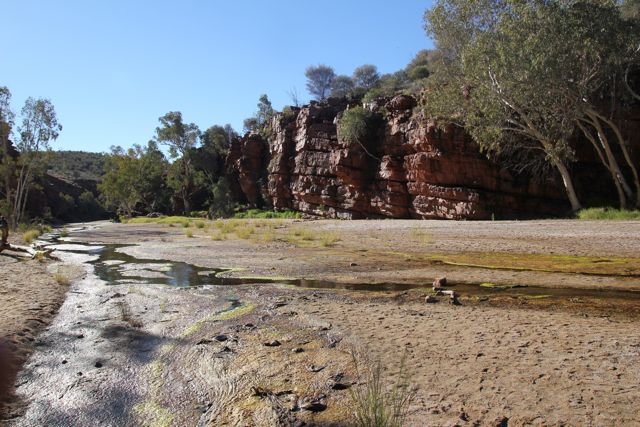
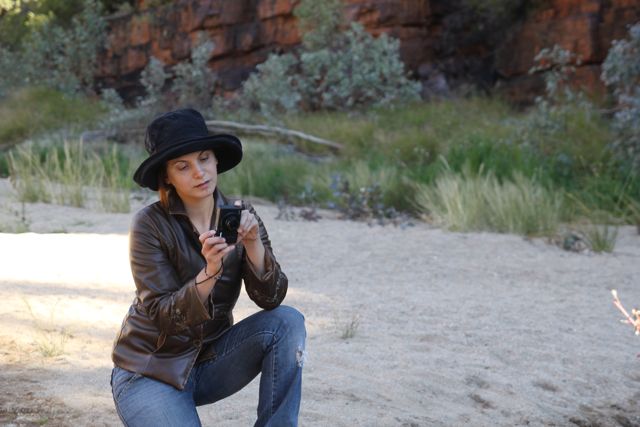
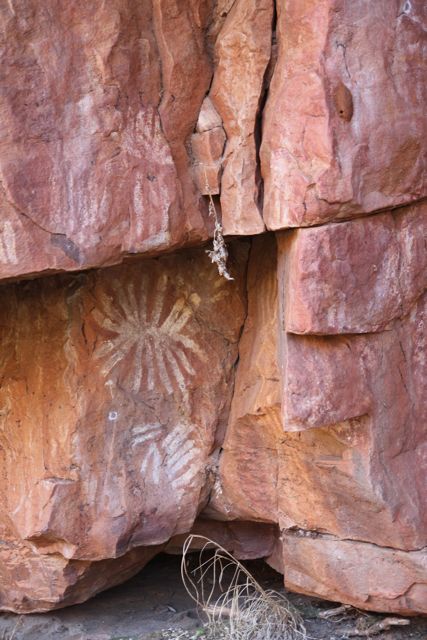
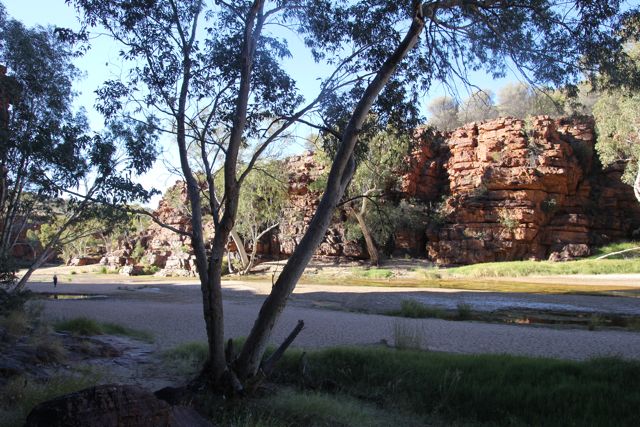
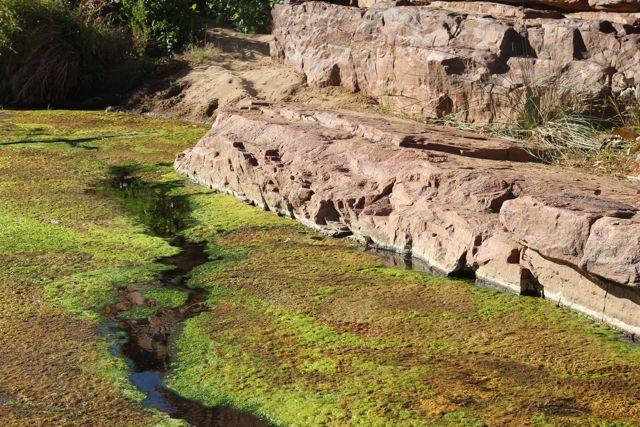
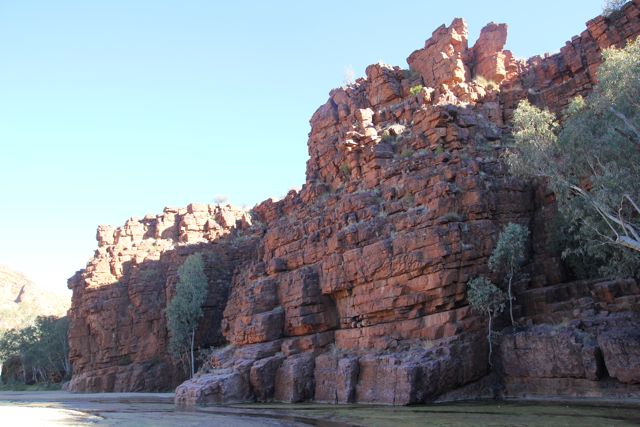
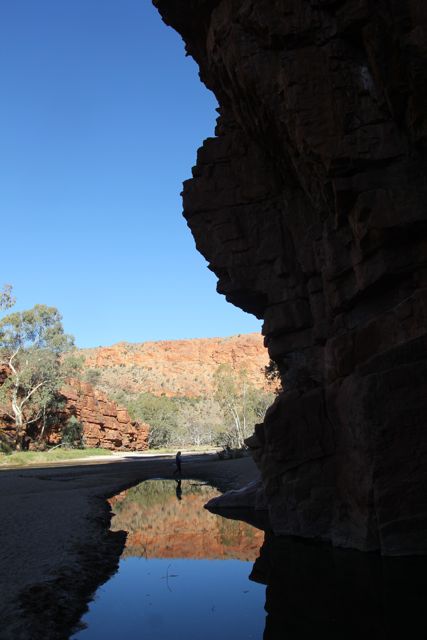
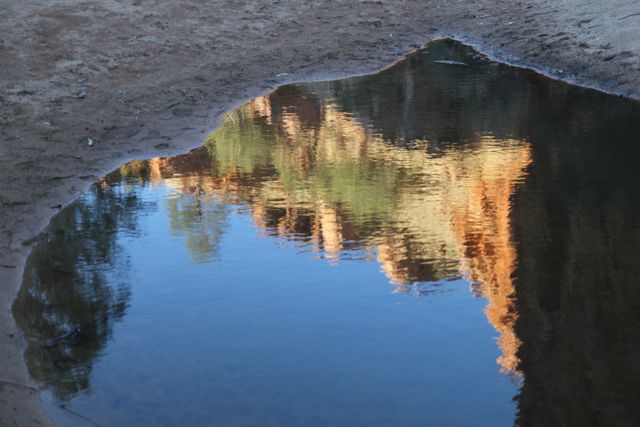
Hripsime is staying with two couchsurfers who are living in a bus. Jaap and Louise. Traveling around Australia in this giant bus, big enough to host people from time to time. They were planning to do a one day trip to Arltunga Historical Reserve and Trephina Gorge. And I was more than welcome to join.
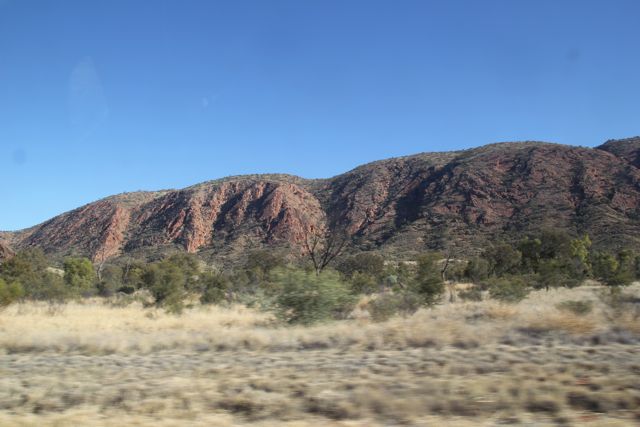
John McDouall Stuart
John McDouall Stuart is one of the most famous australian explorer. And one of those who spent the most time discovering the outback.
Born in Scotland, the 7 of september 1815, he’s the youngest boy of a family of 9 children. He studied at the Scottish Naval and Military Academy as a civil engineer, before he moved to Australia in 1838, at 23. He’s a slight delicately built man, about 168cm tall, and weighing less that 55 kg. When in arrived in South Australia, in 1839, there’s nothing to find there. He worked as a surveyor, in the semi arid scrub of the newly settled districts, making out blocks for settlers and miners. If life in camp is hard, Stuart quickly get a reputation of being someone extremely precise.
In 1844, Captain Sturt took the young Stuart with him on an exploration journey to the Simpson Desert, one of the aridest part of South Australia. When the commandant in second died, Sturt appointed Stuart in his place. They finally managed to came back to Adelaide, but Sturt will never totally recover from the expedition, and it took Stuart one year to be able to work again. It’s only a few years later than Stuart will start heading expedition by himself.
Because of its small seize, Stuart looks very friendly to aboriginal people, who quiet often help him, as they seems to find him less dangerous than the other white people. Known to be alcoholic, with sight problem, his body was still able to suffer lots of privation, and he had a very strong will. With not so many friend, he tried to avoid crowd as much as he can. He didn’t really matter what we was wearing, our how people saw him. He had everything of a sociopath, but seems to be highly trust for his survival skills in the outback.
He had already lead two majors expeditions -leading them almost to what’s now the border between the Northern Territory- when Australian government starts the telegraph contest, with a 2,000 pounds price to win. The objective is to find a way to build a telegraph line from Adelaide to Darwin. Darwin is already connected to Indonesia and, from there, to London. The idea of this telegraph line is to connect Sydney to the mother land. A few expedition was held, including the famous one by Burke and Wills (more details to come about this one too).
Stuart lead a few expeditions north, going a little bit further each time. Traveling as light as he can, taking with him only a few men and dozen of horses. Going as far as he can, and then coming back. At his third attempt after the beginning of the contest, he finally reach Darwin area on the 24th of july 1862. He came back to Adelaide, where the price won’t be given to him. Known to be a drunk sociopath, he instead had a rent. The price went, instead, to a search program. Half blind of all this time spent in the desert, he finally came back to scotland, where in died on the 5th of june 1866. Story says that there was only one person to attend the funeral of this man who explored so much of Australia.
The telegraph line was finally built following his advice. What of the constraint was to be able to find water source often on the road, to be able to build repeater office. Later, the Ghan railway follow part of the same trail too. As did the road, the Stuart Highway, that links Adelaide to Darwin. Some of the roadhouse, where you can often stop during the drive, are actually at the same place the old repeater office were…